What to Expect on a Pendennis Boat Charter in Falmouth
Frenchman’s Creek and the Fal: Cornwall’s Most Atmospheric River Explored by Boat
There’s something about being on the water that makes wildlife feel more immediate. You’re at the same level as the seals on the rocks, closer to the birds than you’d be from a clifftop path, and moving quietly enough through the estuary that things don’t immediately scatter. The Fal is genuinely one of the best places in the South West to see a decent range of species in a short space of time.
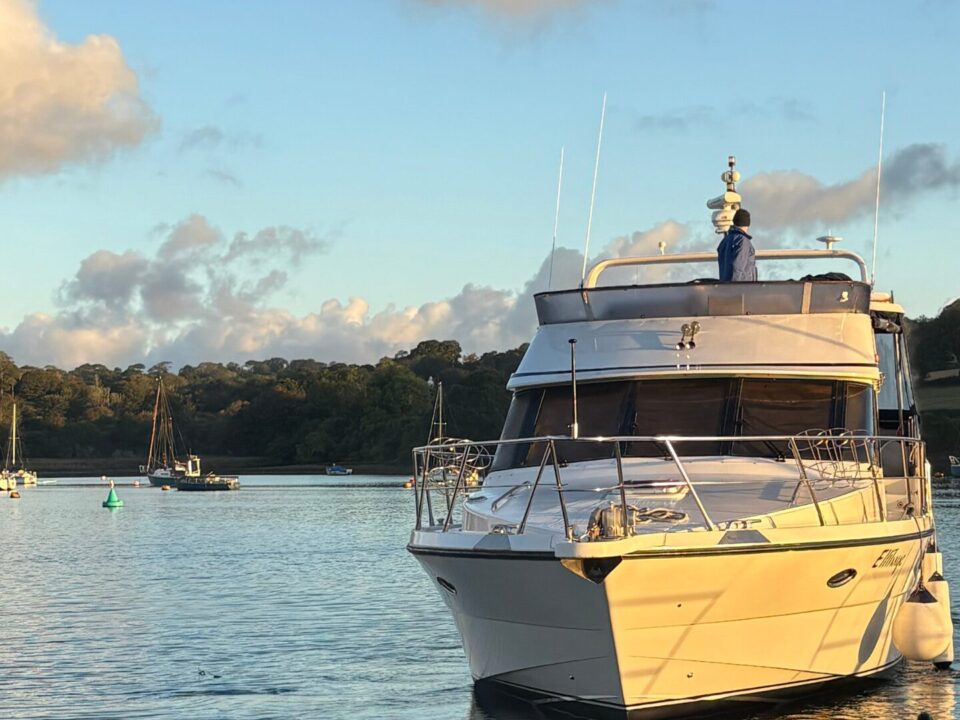
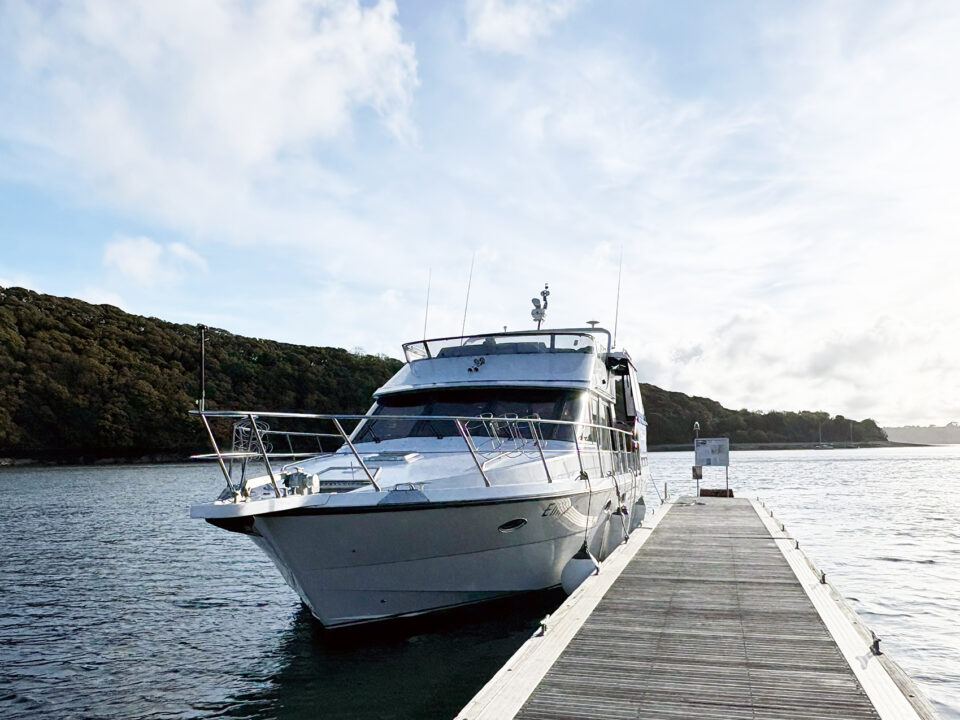
Pendennis Boat Charters runs trips along the Fal Estuary and out into the waters around Falmouth Harbour, and the wildlife spotting is a proper part of the experience – not just a bonus. Here’s a rough guide to what you might see, and when.
Grey Seals: The Regulars
Atlantic grey seals are the species you’re most likely to encounter on the Fal. They tend to haul out on low-lying rocks at various points along the estuary, particularly on a falling tide, and they’re remarkably relaxed around boats. You can get quite close without disturbing them, which makes for genuinely good views.
Grey seals are present year-round, though numbers can shift with the seasons. Pups are born in autumn and winter – if you’re lucky enough to be out at the right time, catching a glimpse of a young seal on the rocks is something most people don’t forget.
Dolphins: When They Show Up
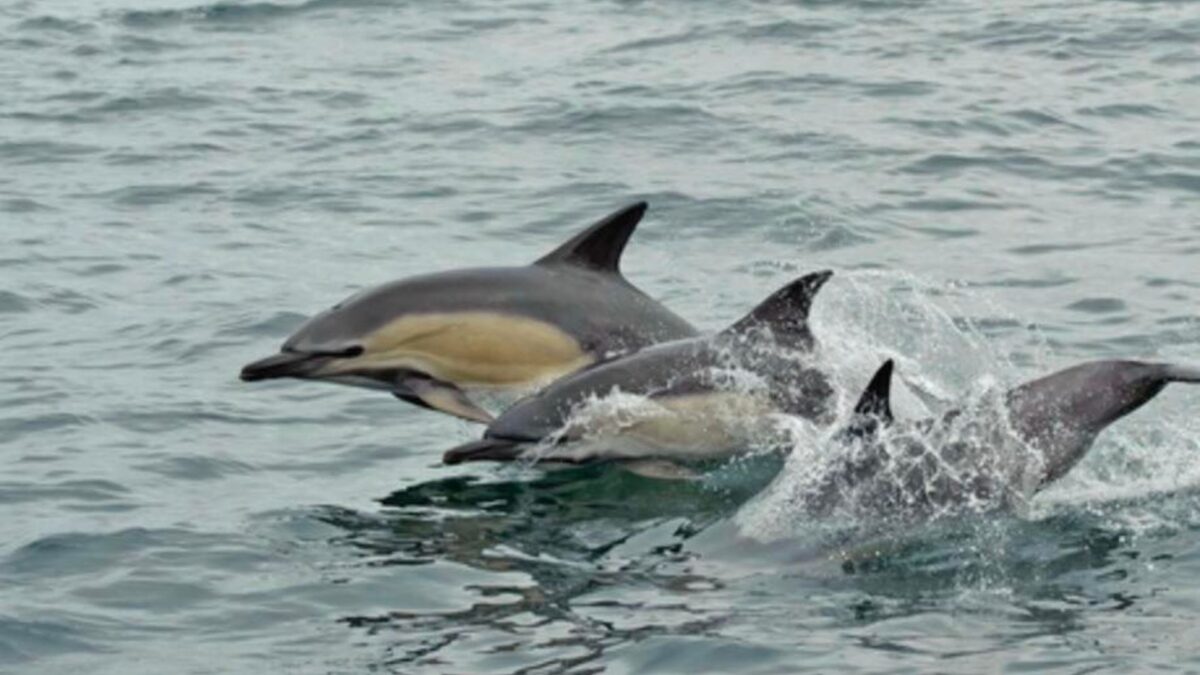
Common dolphins and bottlenose dolphins both pass through Falmouth Bay and the approaches to the estuary. They’re not a guarantee on any given trip, but sightings are frequent enough through spring and summer that there’s always a reasonable chance. When they do come alongside the boat, the whole dynamic of the trip changes – everyone rushes to the side and the cameras come out.
The crew keep an eye out throughout the journey and know from experience where sightings tend to cluster.
Seabirds: Year-Round Entertainment
The estuary and surrounding coastline support a wide range of seabirds. Gannets are perhaps the most spectacular – watching one fold its wings and drop into the sea at speed is a pretty extraordinary thing to see close up. Cormorants are everywhere, usually perched on buoys or rocks with their wings spread to dry, which gives them an unusually prehistoric look.
Herons and little egrets are a constant presence along the river banks and shallower channels. They move slowly and deliberately, which makes them easy to watch. Curlews, oystercatchers, and redshanks work the mudflats on the upper estuary, particularly in winter when wader numbers are at their peak.
What the Crew Can Tell You
One thing worth mentioning is that the Pendennis crew actually know this stretch of water well. They’ll point things out as they spot them and can give you a bit of context about what you’re seeing – habitat, behaviour, seasonal patterns. It makes the wildlife element feel much less like ticking a list and more like a genuine experience of the place.
If wildlife spotting is a priority for your trip, it’s worth asking when you book about the best time of year for specific species. The team are happy to advise. You can find out more and book at pendennisboatcharters.co.uk.